Rhinitis | More than Just the Sniffles in Derby, CT

What Are the Symptoms of Rhinitis?
Symptoms of rhinitis can vary in severity and frequency, but commonly include:
- Nasal blockage or congestion
- Sneezing
- Runny nose or post-nasal drainage
- Itchy nose
Rhinitis can occur on its own or alongside sinusitis, an inflammation or infection of the sinuses. If you experience facial pressure, a decreased sense of smell, or thick greenish-yellow nasal drainage, sinusitis may also be present.
A qualified ENT (ear, nose, and throat) specialist, also known as an otolaryngologist, can evaluate your symptoms and determine the most appropriate treatment plan.
What Causes Rhinitis?
Allergic Rhinitis (Hay Fever)
Allergic rhinitis occurs when the immune system overreacts to normally harmless substances, such as:
- Plant pollens
- Mold spores
- Dust mites
- Animal dander
- Certain foods, medications, or insect venom
During an allergic response, the body produces an antibody called IgE, which triggers the release of histamine and other chemicals. These chemicals cause swelling, itching, congestion, sneezing, and increased nasal drainage.
Seasonal Allergic Rhinitis depends on the time of year:
- Spring: Tree pollens
- Early summer: Grass pollens
- Fall: Weed pollens, especially ragweed, and mold spores from fallen leaves
Perennial Allergic Rhinitis occurs year-round and is often related to indoor allergens such as pet dander, mold, houseplants, and dust mites found in carpeting or upholstery.
Identifying patterns, such as seasonal symptoms, indoor versus outdoor triggers, or animal exposure, can be very helpful during evaluation.
Non-Allergic Rhinitis
Non-allergic rhinitis does not involve IgE antibodies and is not caused by an allergic reaction. You can still have non-allergic rhinitis even if allergy testing is positive.
Common causes include:
- Respiratory infections
- Certain prescription or over-the-counter medications
- Eating or drinking (sometimes specific foods, sometimes any food)
- Weather or temperature changes
- Aging
- Hormonal changes or pregnancy
- Alcohol consumption, especially red wine
- Nasal irritation or inflammation unrelated to allergy
- Nasal symptoms related to other medical conditions
One form of non-allergic rhinitis is Vasomotor Rhinitis, which is often triggered by environmental or lifestyle factors rather than allergens.
Related Conditions
Depending on the type of rhinitis, symptoms may be associated with other conditions, including:
- Asthma
- Acute sinusitis
- Eye inflammation (conjunctivitis)
- Atopic dermatitis or eczema
- Eustachian tube dysfunction (ear pressure or fullness)
- Laryngitis and voice hoarseness
- Eosinophilic esophagitis
- Sleep disturbances
Addressing rhinitis may help improve or prevent complications related to these conditions.
Treatment Options
Treatment depends on identifying the underlying cause of symptoms. In some cases, avoiding known triggers, such as pet exposure or environmental allergens, can significantly reduce symptoms.
When avoidance alone isn’t enough, medications may be recommended, including:
- Intranasal saline sprays or rinses
- Oral or intranasal antihistamines
- Intranasal corticosteroid sprays
- Ipratropium bromide nasal spray
For allergic rhinitis, allergen immunotherapy may be an option. This treatment gradually reduces sensitivity to allergens and is typically administered through allergy shots, under-the-tongue tablets, or drops.
If nasal congestion or a runny nose remains severe despite medication, your ENT specialist may discuss additional in-office procedures or surgical options based on your specific condition.
Questions to Ask Your Doctor
When discussing rhinitis with your healthcare provider, consider asking:
- What is the most likely cause of my rhinitis symptoms?
- Is allergy testing appropriate for me?
- Would avoiding certain triggers help improve my symptoms?
- Which medications are best suited for my condition?
- Are additional tests or referrals needed?
If you’re struggling with persistent nasal symptoms, expert evaluation can make a meaningful difference. The right diagnosis and treatment plan can help you breathe easier, sleep better, and feel more comfortable year-round.
Seeking Help & Treatment
At Naugatuck Valley ENT, our ENT and allergy specialists provide comprehensive evaluation and personalized treatment for both allergic and non-allergic rhinitis as part of our full range of services for allergy and nasal and sinus conditions. We focus on identifying the underlying cause of your symptoms and creating a treatment plan tailored to your needs.
Our diagnostic and treatment services may include:
- Evaluation of nasal and sinus conditions
- Multiprick and intradermal skin testing for environmental allergies
- Education on trigger avoidance and environmental controls
- Instruction on the proper use of EpiPen injections when appropriate
- Immunotherapy programs, including allergy shots and sublingual therapy
To schedule an appointment, please call us at (203) 578-4630.
How We Can Help

If you’re experiencing a sinus, allergy, or nasal-related condition, don’t let it hinder your health and well-being any longer. At Naugatuck Valley ENT, we have the expertise and resources to diagnose, treat, and manage your sinus, allergy, or nasal-related conditions effectively. Our dedicated team of professionals is ready to provide exceptional care. Contact us today at (203) 578-4630 to schedule a consultation.
 https://naugatuckvalleyent.com/wp-content/uploads/2026/04/How-to-Eat-for-Better-ENT-Health-Blog-Post.jpg
624
1200
Naugatuck Valley Ear, Nose & Throat Associates
https://naugatuckvalleyent.com/wp-content/uploads/2022/03/NVENTA-Logo-Tall.jpg
Naugatuck Valley Ear, Nose & Throat Associates2026-04-30 01:42:202026-04-30 01:55:40How to Eat for Better ENT Health in East Haven, CT
https://naugatuckvalleyent.com/wp-content/uploads/2026/04/How-to-Eat-for-Better-ENT-Health-Blog-Post.jpg
624
1200
Naugatuck Valley Ear, Nose & Throat Associates
https://naugatuckvalleyent.com/wp-content/uploads/2022/03/NVENTA-Logo-Tall.jpg
Naugatuck Valley Ear, Nose & Throat Associates2026-04-30 01:42:202026-04-30 01:55:40How to Eat for Better ENT Health in East Haven, CT https://naugatuckvalleyent.com/wp-content/uploads/2026/04/The-Evolution-of-ENT-Care-Blog-Post-Rectangle.jpg
318
612
Naugatuck Valley Ear, Nose & Throat Associates
https://naugatuckvalleyent.com/wp-content/uploads/2022/03/NVENTA-Logo-Tall.jpg
Naugatuck Valley Ear, Nose & Throat Associates2026-04-08 16:11:182026-04-17 14:40:02The Evolution of ENT Care | Then and Now in Southington, CT
https://naugatuckvalleyent.com/wp-content/uploads/2026/04/The-Evolution-of-ENT-Care-Blog-Post-Rectangle.jpg
318
612
Naugatuck Valley Ear, Nose & Throat Associates
https://naugatuckvalleyent.com/wp-content/uploads/2022/03/NVENTA-Logo-Tall.jpg
Naugatuck Valley Ear, Nose & Throat Associates2026-04-08 16:11:182026-04-17 14:40:02The Evolution of ENT Care | Then and Now in Southington, CT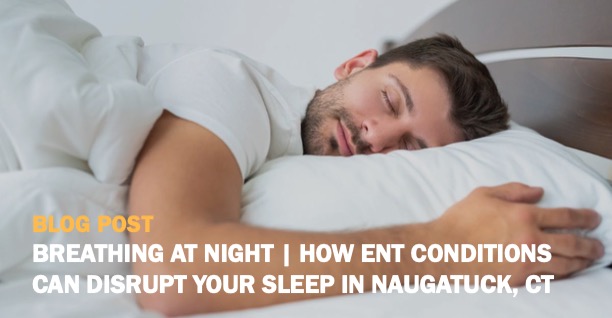 https://naugatuckvalleyent.com/wp-content/uploads/2026/03/Sleep-ENT-Blog-Post-.jpg
318
612
Naugatuck Valley Ear, Nose & Throat Associates
https://naugatuckvalleyent.com/wp-content/uploads/2022/03/NVENTA-Logo-Tall.jpg
Naugatuck Valley Ear, Nose & Throat Associates2026-03-11 18:59:562026-03-11 18:59:56Breathing at Night | How ENT Conditions Can Disrupt Your Sleep in Naugatuck, CT
https://naugatuckvalleyent.com/wp-content/uploads/2026/03/Sleep-ENT-Blog-Post-.jpg
318
612
Naugatuck Valley Ear, Nose & Throat Associates
https://naugatuckvalleyent.com/wp-content/uploads/2022/03/NVENTA-Logo-Tall.jpg
Naugatuck Valley Ear, Nose & Throat Associates2026-03-11 18:59:562026-03-11 18:59:56Breathing at Night | How ENT Conditions Can Disrupt Your Sleep in Naugatuck, CT https://naugatuckvalleyent.com/wp-content/uploads/2026/01/Rhinitis-Blog-Post-.jpg
318
612
Naugatuck Valley Ear, Nose & Throat Associates
https://naugatuckvalleyent.com/wp-content/uploads/2022/03/NVENTA-Logo-Tall.jpg
Naugatuck Valley Ear, Nose & Throat Associates2026-01-28 15:54:552026-01-28 16:14:22Rhinitis | More than Just the Sniffles in Derby, CT
https://naugatuckvalleyent.com/wp-content/uploads/2026/01/Rhinitis-Blog-Post-.jpg
318
612
Naugatuck Valley Ear, Nose & Throat Associates
https://naugatuckvalleyent.com/wp-content/uploads/2022/03/NVENTA-Logo-Tall.jpg
Naugatuck Valley Ear, Nose & Throat Associates2026-01-28 15:54:552026-01-28 16:14:22Rhinitis | More than Just the Sniffles in Derby, CT https://naugatuckvalleyent.com/wp-content/uploads/2026/01/Travel-Tips-for-Health-ENT-Blog-.jpg
321
612
Naugatuck Valley Ear, Nose & Throat Associates
https://naugatuckvalleyent.com/wp-content/uploads/2022/03/NVENTA-Logo-Tall.jpg
Naugatuck Valley Ear, Nose & Throat Associates2026-01-20 19:27:152026-01-20 19:27:42Travel Tips for Healthy Ears, Nose, and Throat | What Every Traveler Should Know in Plymouth, CT
https://naugatuckvalleyent.com/wp-content/uploads/2026/01/Travel-Tips-for-Health-ENT-Blog-.jpg
321
612
Naugatuck Valley Ear, Nose & Throat Associates
https://naugatuckvalleyent.com/wp-content/uploads/2022/03/NVENTA-Logo-Tall.jpg
Naugatuck Valley Ear, Nose & Throat Associates2026-01-20 19:27:152026-01-20 19:27:42Travel Tips for Healthy Ears, Nose, and Throat | What Every Traveler Should Know in Plymouth, CT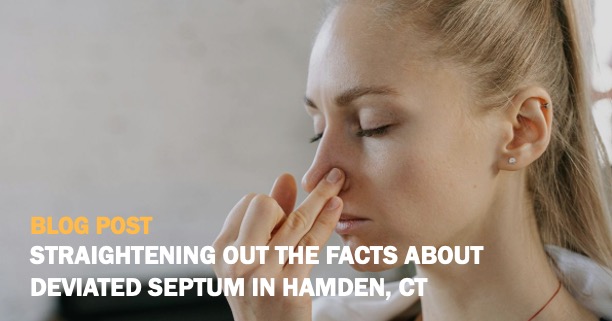 https://naugatuckvalleyent.com/wp-content/uploads/2025/12/Deviated-Septum-Blog-Post-.jpg
321
612
Naugatuck Valley Ear, Nose & Throat Associates
https://naugatuckvalleyent.com/wp-content/uploads/2022/03/NVENTA-Logo-Tall.jpg
Naugatuck Valley Ear, Nose & Throat Associates2025-12-15 21:28:442025-12-15 21:44:55Straightening Out the Facts About Deviated Septum in Hamden, CT
https://naugatuckvalleyent.com/wp-content/uploads/2025/12/Deviated-Septum-Blog-Post-.jpg
321
612
Naugatuck Valley Ear, Nose & Throat Associates
https://naugatuckvalleyent.com/wp-content/uploads/2022/03/NVENTA-Logo-Tall.jpg
Naugatuck Valley Ear, Nose & Throat Associates2025-12-15 21:28:442025-12-15 21:44:55Straightening Out the Facts About Deviated Septum in Hamden, CT https://naugatuckvalleyent.com/wp-content/uploads/2025/12/Hydration-Blog-Post.jpg
321
612
Naugatuck Valley Ear, Nose & Throat Associates
https://naugatuckvalleyent.com/wp-content/uploads/2022/03/NVENTA-Logo-Tall.jpg
Naugatuck Valley Ear, Nose & Throat Associates2025-12-04 19:37:142025-12-15 16:05:02The Important Role Hydration Plays in Your ENT Health in New Britain, CT
https://naugatuckvalleyent.com/wp-content/uploads/2025/12/Hydration-Blog-Post.jpg
321
612
Naugatuck Valley Ear, Nose & Throat Associates
https://naugatuckvalleyent.com/wp-content/uploads/2022/03/NVENTA-Logo-Tall.jpg
Naugatuck Valley Ear, Nose & Throat Associates2025-12-04 19:37:142025-12-15 16:05:02The Important Role Hydration Plays in Your ENT Health in New Britain, CT https://naugatuckvalleyent.com/wp-content/uploads/2025/11/Turbinate-Hypertrophy-Blog-Post-Rectangle.jpg
321
612
Dr. Raymond Winicki
https://naugatuckvalleyent.com/wp-content/uploads/2022/03/NVENTA-Logo-Tall.jpg
Dr. Raymond Winicki2025-11-03 21:28:292025-11-17 17:52:57Breathe Easier Again | Understanding Turbinate Hypertrophy in Prospect, CT
https://naugatuckvalleyent.com/wp-content/uploads/2025/11/Turbinate-Hypertrophy-Blog-Post-Rectangle.jpg
321
612
Dr. Raymond Winicki
https://naugatuckvalleyent.com/wp-content/uploads/2022/03/NVENTA-Logo-Tall.jpg
Dr. Raymond Winicki2025-11-03 21:28:292025-11-17 17:52:57Breathe Easier Again | Understanding Turbinate Hypertrophy in Prospect, CT https://naugatuckvalleyent.com/wp-content/uploads/2025/11/Seasonal-Allergies-Blog-Post-Rectangle.jpg
321
612
Naugatuck Valley Ear, Nose & Throat Associates
https://naugatuckvalleyent.com/wp-content/uploads/2022/03/NVENTA-Logo-Tall.jpg
Naugatuck Valley Ear, Nose & Throat Associates2025-10-03 13:58:522025-11-17 19:03:06Say Goodbye to Seasonal Allergies and Hello to the Great Outdoors in Bristol, CT
https://naugatuckvalleyent.com/wp-content/uploads/2025/11/Seasonal-Allergies-Blog-Post-Rectangle.jpg
321
612
Naugatuck Valley Ear, Nose & Throat Associates
https://naugatuckvalleyent.com/wp-content/uploads/2022/03/NVENTA-Logo-Tall.jpg
Naugatuck Valley Ear, Nose & Throat Associates2025-10-03 13:58:522025-11-17 19:03:06Say Goodbye to Seasonal Allergies and Hello to the Great Outdoors in Bristol, CT https://naugatuckvalleyent.com/wp-content/uploads/2025/11/Understanding-Sinusitis-Blog-Post-Rectangle.jpg
321
612
Naugatuck Valley Ear, Nose & Throat Associates
https://naugatuckvalleyent.com/wp-content/uploads/2022/03/NVENTA-Logo-Tall.jpg
Naugatuck Valley Ear, Nose & Throat Associates2025-08-14 21:29:032025-11-17 19:21:13Understanding Sinusitis | When a Cold Doesn’t Go Away in Ansonia, CT
https://naugatuckvalleyent.com/wp-content/uploads/2025/11/Understanding-Sinusitis-Blog-Post-Rectangle.jpg
321
612
Naugatuck Valley Ear, Nose & Throat Associates
https://naugatuckvalleyent.com/wp-content/uploads/2022/03/NVENTA-Logo-Tall.jpg
Naugatuck Valley Ear, Nose & Throat Associates2025-08-14 21:29:032025-11-17 19:21:13Understanding Sinusitis | When a Cold Doesn’t Go Away in Ansonia, CT https://naugatuckvalleyent.com/wp-content/uploads/2025/11/Hyposmia-Anosmia-Smell-Blog-Post-Rectangle.jpg
321
612
Naugatuck Valley Ear, Nose & Throat Associates
https://naugatuckvalleyent.com/wp-content/uploads/2022/03/NVENTA-Logo-Tall.jpg
Naugatuck Valley Ear, Nose & Throat Associates2025-07-14 17:57:542025-11-17 18:04:16Hyposmia and Anosmia Explained | What Happens When You Can’t Smell in Southbury, CT
https://naugatuckvalleyent.com/wp-content/uploads/2025/11/Hyposmia-Anosmia-Smell-Blog-Post-Rectangle.jpg
321
612
Naugatuck Valley Ear, Nose & Throat Associates
https://naugatuckvalleyent.com/wp-content/uploads/2022/03/NVENTA-Logo-Tall.jpg
Naugatuck Valley Ear, Nose & Throat Associates2025-07-14 17:57:542025-11-17 18:04:16Hyposmia and Anosmia Explained | What Happens When You Can’t Smell in Southbury, CT https://naugatuckvalleyent.com/wp-content/uploads/2025/05/Sore-Throat.Blog-Post-.jpg
471
900
Naugatuck Valley Ear, Nose & Throat Associates
https://naugatuckvalleyent.com/wp-content/uploads/2022/03/NVENTA-Logo-Tall.jpg
Naugatuck Valley Ear, Nose & Throat Associates2025-05-03 20:38:482025-11-17 19:25:04When a Sore Throat Isn’t Just a Sore Throat: Causes, Symptoms & When to Seek Help in Cheshire, CT
https://naugatuckvalleyent.com/wp-content/uploads/2025/05/Sore-Throat.Blog-Post-.jpg
471
900
Naugatuck Valley Ear, Nose & Throat Associates
https://naugatuckvalleyent.com/wp-content/uploads/2022/03/NVENTA-Logo-Tall.jpg
Naugatuck Valley Ear, Nose & Throat Associates2025-05-03 20:38:482025-11-17 19:25:04When a Sore Throat Isn’t Just a Sore Throat: Causes, Symptoms & When to Seek Help in Cheshire, CT https://naugatuckvalleyent.com/wp-content/uploads/2025/04/Sense-of-Smell-Blog-Post-Rectangle.jpg
321
612
Naugatuck Valley Ear, Nose & Throat Associates
https://naugatuckvalleyent.com/wp-content/uploads/2022/03/NVENTA-Logo-Tall.jpg
Naugatuck Valley Ear, Nose & Throat Associates2025-04-22 15:58:072025-11-17 20:04:06Sense of Smell | The Science of Smell and How Your Nose Shapes Your World in Waterbury, CT
https://naugatuckvalleyent.com/wp-content/uploads/2025/04/Sense-of-Smell-Blog-Post-Rectangle.jpg
321
612
Naugatuck Valley Ear, Nose & Throat Associates
https://naugatuckvalleyent.com/wp-content/uploads/2022/03/NVENTA-Logo-Tall.jpg
Naugatuck Valley Ear, Nose & Throat Associates2025-04-22 15:58:072025-11-17 20:04:06Sense of Smell | The Science of Smell and How Your Nose Shapes Your World in Waterbury, CT https://naugatuckvalleyent.com/wp-content/uploads/2025/03/Listen-to-Your-Ears-Nose-Throat-Blog-Post-Rectangle.jpg
321
612
Naugatuck Valley Ear, Nose & Throat Associates
https://naugatuckvalleyent.com/wp-content/uploads/2022/03/NVENTA-Logo-Tall.jpg
Naugatuck Valley Ear, Nose & Throat Associates2025-03-31 14:50:112025-11-17 19:51:58Listen to Your Ears, Nose and Throat | 10 Signs You Should See an ENT in Waterbury, CT
https://naugatuckvalleyent.com/wp-content/uploads/2025/03/Listen-to-Your-Ears-Nose-Throat-Blog-Post-Rectangle.jpg
321
612
Naugatuck Valley Ear, Nose & Throat Associates
https://naugatuckvalleyent.com/wp-content/uploads/2022/03/NVENTA-Logo-Tall.jpg
Naugatuck Valley Ear, Nose & Throat Associates2025-03-31 14:50:112025-11-17 19:51:58Listen to Your Ears, Nose and Throat | 10 Signs You Should See an ENT in Waterbury, CT https://naugatuckvalleyent.com/wp-content/uploads/2025/03/Nasal-Drip-Drip-Drip-Hooray-No-Logo.jpg
471
900
Naugatuck Valley Ear, Nose & Throat Associates
https://naugatuckvalleyent.com/wp-content/uploads/2022/03/NVENTA-Logo-Tall.jpg
Naugatuck Valley Ear, Nose & Throat Associates2025-03-20 00:48:372025-11-17 19:45:41Drip, Drip, Hooray? Not Quite. What to Know About Post-Nasal Drip in Beacon Falls, CT
https://naugatuckvalleyent.com/wp-content/uploads/2025/03/Nasal-Drip-Drip-Drip-Hooray-No-Logo.jpg
471
900
Naugatuck Valley Ear, Nose & Throat Associates
https://naugatuckvalleyent.com/wp-content/uploads/2022/03/NVENTA-Logo-Tall.jpg
Naugatuck Valley Ear, Nose & Throat Associates2025-03-20 00:48:372025-11-17 19:45:41Drip, Drip, Hooray? Not Quite. What to Know About Post-Nasal Drip in Beacon Falls, CT https://naugatuckvalleyent.com/wp-content/uploads/2025/11/How-to-Protect-Your-Voice-Blog-Post-Rectangle.jpg
321
612
Naugatuck Valley Ear, Nose & Throat Associates
https://naugatuckvalleyent.com/wp-content/uploads/2022/03/NVENTA-Logo-Tall.jpg
Naugatuck Valley Ear, Nose & Throat Associates2025-02-04 16:59:372025-11-17 18:02:45How to Protect Your Voice During Cold and Flu Season in Wolcott, CT
https://naugatuckvalleyent.com/wp-content/uploads/2025/11/How-to-Protect-Your-Voice-Blog-Post-Rectangle.jpg
321
612
Naugatuck Valley Ear, Nose & Throat Associates
https://naugatuckvalleyent.com/wp-content/uploads/2022/03/NVENTA-Logo-Tall.jpg
Naugatuck Valley Ear, Nose & Throat Associates2025-02-04 16:59:372025-11-17 18:02:45How to Protect Your Voice During Cold and Flu Season in Wolcott, CT https://naugatuckvalleyent.com/wp-content/uploads/2023/05/Understanding-Sinusitis-Blog-Post-Rectangle.jpg
321
612
Naugatuck Valley Ear, Nose & Throat Associates
https://naugatuckvalleyent.com/wp-content/uploads/2022/03/NVENTA-Logo-Tall.jpg
Naugatuck Valley Ear, Nose & Throat Associates2024-05-13 13:58:342025-11-17 20:11:08Understanding Sinusitis: Causes, Symptoms, and Treatment Options in Hamden, CT
https://naugatuckvalleyent.com/wp-content/uploads/2023/05/Understanding-Sinusitis-Blog-Post-Rectangle.jpg
321
612
Naugatuck Valley Ear, Nose & Throat Associates
https://naugatuckvalleyent.com/wp-content/uploads/2022/03/NVENTA-Logo-Tall.jpg
Naugatuck Valley Ear, Nose & Throat Associates2024-05-13 13:58:342025-11-17 20:11:08Understanding Sinusitis: Causes, Symptoms, and Treatment Options in Hamden, CT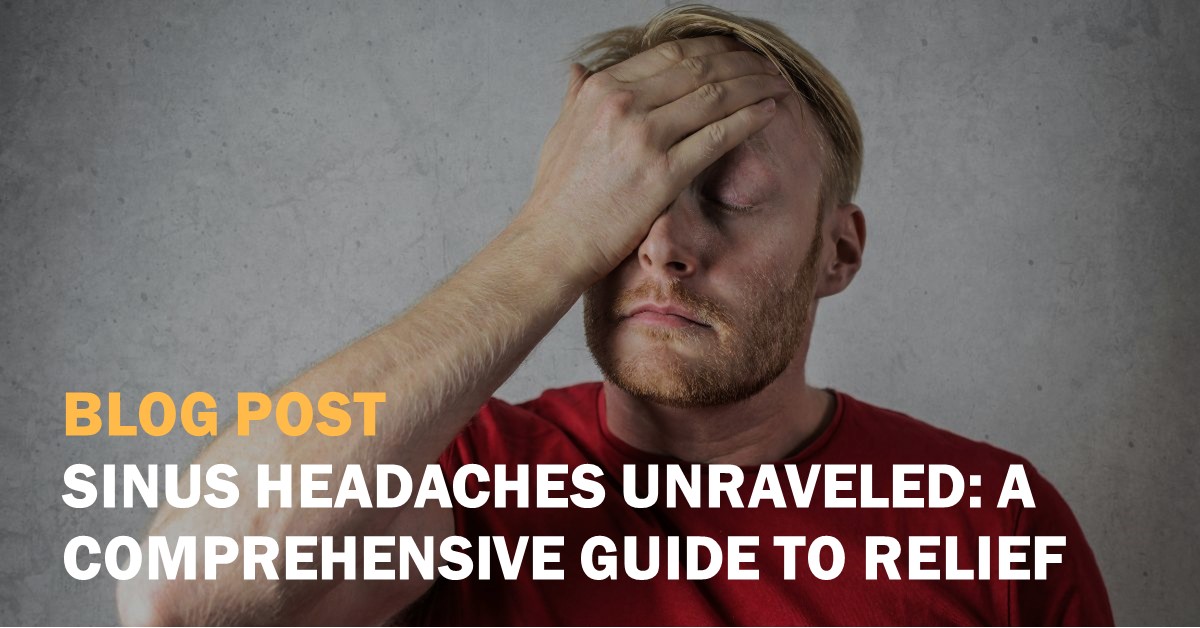 https://naugatuckvalleyent.com/wp-content/uploads/2024/05/Sinus-Headaches-Unraveled-A-Comprehensive-Guide-to-Relief-in-Cheshire-CT-Blog-Post.jpg
628
1200
Naugatuck Valley Ear, Nose & Throat Associates
https://naugatuckvalleyent.com/wp-content/uploads/2022/03/NVENTA-Logo-Tall.jpg
Naugatuck Valley Ear, Nose & Throat Associates2024-05-06 14:06:522025-11-17 19:06:32Sinus Headaches Unraveled: A Comprehensive Guide to Relief in Cheshire, CT
https://naugatuckvalleyent.com/wp-content/uploads/2024/05/Sinus-Headaches-Unraveled-A-Comprehensive-Guide-to-Relief-in-Cheshire-CT-Blog-Post.jpg
628
1200
Naugatuck Valley Ear, Nose & Throat Associates
https://naugatuckvalleyent.com/wp-content/uploads/2022/03/NVENTA-Logo-Tall.jpg
Naugatuck Valley Ear, Nose & Throat Associates2024-05-06 14:06:522025-11-17 19:06:32Sinus Headaches Unraveled: A Comprehensive Guide to Relief in Cheshire, CT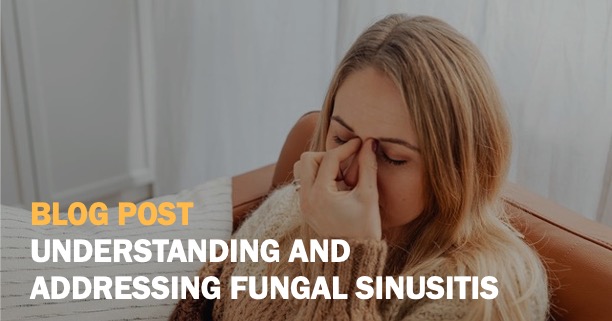 https://naugatuckvalleyent.com/wp-content/uploads/2023/05/Understanding-and-Addressing-Fungal-Sinusitis-Blog-Post-Rectangle.jpg
321
612
Naugatuck Valley Ear, Nose, and Throat Associates (NVENTA)
https://naugatuckvalleyent.com/wp-content/uploads/2022/03/NVENTA-Logo-Tall.jpg
Naugatuck Valley Ear, Nose, and Throat Associates (NVENTA)2024-01-24 16:07:542025-11-17 19:46:43Fungal Sinusitis: Understanding and Addressing Fungal Sinusitis in Woodbury, CT
https://naugatuckvalleyent.com/wp-content/uploads/2023/05/Understanding-and-Addressing-Fungal-Sinusitis-Blog-Post-Rectangle.jpg
321
612
Naugatuck Valley Ear, Nose, and Throat Associates (NVENTA)
https://naugatuckvalleyent.com/wp-content/uploads/2022/03/NVENTA-Logo-Tall.jpg
Naugatuck Valley Ear, Nose, and Throat Associates (NVENTA)2024-01-24 16:07:542025-11-17 19:46:43Fungal Sinusitis: Understanding and Addressing Fungal Sinusitis in Woodbury, CT https://naugatuckvalleyent.com/wp-content/uploads/2023/05/Allergy-Services-for-Sufferers-Blog-Post-Rectangle.jpg
321
612
Naugatuck Valley Ear, Nose, and Throat Associates (NVENTA)
https://naugatuckvalleyent.com/wp-content/uploads/2022/03/NVENTA-Logo-Tall.jpg
Naugatuck Valley Ear, Nose, and Throat Associates (NVENTA)2023-05-16 21:14:172025-11-17 19:43:18Allergy Services for Allergy Sufferers in the Waterbury, CT Area
https://naugatuckvalleyent.com/wp-content/uploads/2023/05/Allergy-Services-for-Sufferers-Blog-Post-Rectangle.jpg
321
612
Naugatuck Valley Ear, Nose, and Throat Associates (NVENTA)
https://naugatuckvalleyent.com/wp-content/uploads/2022/03/NVENTA-Logo-Tall.jpg
Naugatuck Valley Ear, Nose, and Throat Associates (NVENTA)2023-05-16 21:14:172025-11-17 19:43:18Allergy Services for Allergy Sufferers in the Waterbury, CT Area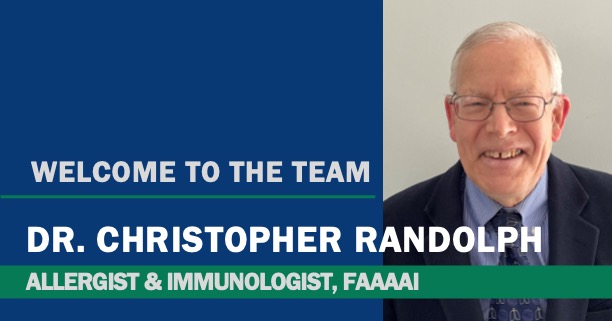 https://naugatuckvalleyent.com/wp-content/uploads/2023/02/Welcome-Dr-Christopher-Randolph-Blog-Post-Rectangle.jpg
321
612
Naugatuck Valley Ear, Nose, and Throat Associates (NVENTA)
https://naugatuckvalleyent.com/wp-content/uploads/2022/03/NVENTA-Logo-Tall.jpg
Naugatuck Valley Ear, Nose, and Throat Associates (NVENTA)2023-02-15 17:19:562025-11-17 20:16:37Naugatuck Valley Ear, Nose & Throat Associates Welcomes Renowned Allergy, Asthma, and Immunology Expert Dr. Christopher Randolph To The Team
https://naugatuckvalleyent.com/wp-content/uploads/2023/02/Welcome-Dr-Christopher-Randolph-Blog-Post-Rectangle.jpg
321
612
Naugatuck Valley Ear, Nose, and Throat Associates (NVENTA)
https://naugatuckvalleyent.com/wp-content/uploads/2022/03/NVENTA-Logo-Tall.jpg
Naugatuck Valley Ear, Nose, and Throat Associates (NVENTA)2023-02-15 17:19:562025-11-17 20:16:37Naugatuck Valley Ear, Nose & Throat Associates Welcomes Renowned Allergy, Asthma, and Immunology Expert Dr. Christopher Randolph To The Team