The Lowdown on Hoarseness | Finding Your Voice Again In Shelton, CT

Your vocal cords are usually apart when you breathe, but when you speak, they come together and vibrate as air leaves your lungs. Anything that interferes with this vibration or closure can result in hoarseness.
Signs & Symptoms of Hoarseness
You should consider seeing an ENT (ear, nose, and throat) specialist if you experience:
- Hoarseness lasting more than four weeks, especially if you smoke
- Severe voice changes lasting more than a few days
- Raspy, strained, breathy, weak, higher or lower-pitched, inconsistent, fatigued, or shaky voice
- Difficulty breathing or pain while speaking
- Inability to perform your job as a vocal professional (singer, teacher, public speaker)
Common Causes of Hoarseness
1. Acute laryngitis: The most common cause of hoarseness is acute laryngitis, often triggered by a cold or viral infection or by voice strain. Talking while your vocal cords are inflamed can cause serious damage.
2. Non-cancerous vocal cord lesions: Nodules, polyps, and cysts can form after repeated trauma to the vocal cords, such as speaking too loudly, too much, or with poor technique.
3. Pre-cancerous or cancerous lesions: Persistent hoarseness, especially in smokers, may indicate pre-cancer or cancer on the vocal cords. Early evaluation by an ENT specialist is critical.
4. Neurological disorders: Conditions like Parkinson’s disease, stroke, or spasmodic dysphonia can lead to hoarseness. Vocal cord paralysis from surgery, illness, or injury may also cause a weak, breathy voice.
5. Vocal cord atrophy: Aging can naturally thin and weaken the vocal cords, causing a raspy or inconsistent voice.
6. Vocal cord hemorrhage: Yelling or intense vocal use can rupture a small blood vessel in the vocal cord, creating a blood blister and sudden loss of voice. This is considered a vocal emergency.
Factors That Can Contribute to Hoarseness
- Reflux: Acidic or non-acidic stomach contents can travel to the throat (laryngopharyngeal reflux or LPR) and irritate the vocal cords.
- Smoking: Increases the risk of throat cancer and can permanently change vocal cord structure.
- Other factors: Allergies, thyroid problems, trauma, and sometimes hormonal changes can affect your voice.
Treatment Options
Proper diagnosis begins with a thorough evaluation by an ENT specialist, often including a fiberoptic scope, which is a small, flexible camera used to examine the vocal cords. Voice assessments may also measure airflow, sound quality, and other vocal characteristics. Once the cause of hoarseness is identified, treatment is tailored to the specific condition. Acute laryngitis typically improves with voice rest, hydration, and supportive care, while non-cancerous lesions may require voice therapy, improved vocal technique, and, in some cases, surgery. Pre-cancerous or cancerous lesions often need surgical removal, sometimes followed by radiation or chemotherapy. Neurological disorders may be treated with voice therapy, vocal cord augmentation, or Botox® injections. Vocal cord atrophy is usually managed with voice therapy or injections, and vocal cord hemorrhage requires complete voice rest, with surgery rarely needed.
If left untreated, hoarseness can lead to permanent voice changes, loss of work for vocal professionals, or serious consequences in cases of cancer. That’s why persistent hoarseness should never be ignored.
Tips for Maintaining Vocal Health
- Avoid shouting or speaking in loud environments
- Monitor how much and how loudly you speak
- Use amplification if your job requires extensive talking
- Stay hydrated (around 60 ounces of water per day)
- Limit caffeine intake
- Quit smoking and avoid secondhand smoke
Seeking Help & Treatment
Persistent hoarseness warrants professional evaluation. At Naugatuck Valley ENT, our Speech and Voice Pathologist can provide evaluation and treatment for hoarseness and other voice or swallowing disorders. Don’t wait to protect your voice. Please call us today at (203) 578-4630 to schedule an appointment.
 https://naugatuckvalleyent.com/wp-content/uploads/2026/02/Ankyloglossia-Tongue-Tie-Blog-Post-.jpg
318
612
Naugatuck Valley Ear, Nose & Throat Associates
https://naugatuckvalleyent.com/wp-content/uploads/2022/03/NVENTA-Logo-Tall.jpg
Naugatuck Valley Ear, Nose & Throat Associates2026-02-19 16:02:332026-02-19 16:02:33Tongue-Tie Explained | Understanding Ankyloglossia in Beacon Falls, CT
https://naugatuckvalleyent.com/wp-content/uploads/2026/02/Ankyloglossia-Tongue-Tie-Blog-Post-.jpg
318
612
Naugatuck Valley Ear, Nose & Throat Associates
https://naugatuckvalleyent.com/wp-content/uploads/2022/03/NVENTA-Logo-Tall.jpg
Naugatuck Valley Ear, Nose & Throat Associates2026-02-19 16:02:332026-02-19 16:02:33Tongue-Tie Explained | Understanding Ankyloglossia in Beacon Falls, CT https://naugatuckvalleyent.com/wp-content/uploads/2026/01/Hoarseness-Blog-Post-1-1.jpg
628
1200
Naugatuck Valley Ear, Nose & Throat Associates
https://naugatuckvalleyent.com/wp-content/uploads/2022/03/NVENTA-Logo-Tall.jpg
Naugatuck Valley Ear, Nose & Throat Associates2026-01-08 20:50:512026-01-08 20:57:43The Lowdown on Hoarseness | Finding Your Voice Again In Shelton, CT
https://naugatuckvalleyent.com/wp-content/uploads/2026/01/Hoarseness-Blog-Post-1-1.jpg
628
1200
Naugatuck Valley Ear, Nose & Throat Associates
https://naugatuckvalleyent.com/wp-content/uploads/2022/03/NVENTA-Logo-Tall.jpg
Naugatuck Valley Ear, Nose & Throat Associates2026-01-08 20:50:512026-01-08 20:57:43The Lowdown on Hoarseness | Finding Your Voice Again In Shelton, CT https://naugatuckvalleyent.com/wp-content/uploads/2025/12/Hydration-Blog-Post.jpg
321
612
Naugatuck Valley Ear, Nose & Throat Associates
https://naugatuckvalleyent.com/wp-content/uploads/2022/03/NVENTA-Logo-Tall.jpg
Naugatuck Valley Ear, Nose & Throat Associates2025-12-04 19:37:142025-12-15 16:05:02The Important Role Hydration Plays in Your ENT Health in New Britain, CT
https://naugatuckvalleyent.com/wp-content/uploads/2025/12/Hydration-Blog-Post.jpg
321
612
Naugatuck Valley Ear, Nose & Throat Associates
https://naugatuckvalleyent.com/wp-content/uploads/2022/03/NVENTA-Logo-Tall.jpg
Naugatuck Valley Ear, Nose & Throat Associates2025-12-04 19:37:142025-12-15 16:05:02The Important Role Hydration Plays in Your ENT Health in New Britain, CT https://naugatuckvalleyent.com/wp-content/uploads/2025/11/What-Your-Voice-Says-About-Your-Health-in-Watertown-CT.jpg
628
1200
Naugatuck Valley Ear, Nose & Throat Associates
https://naugatuckvalleyent.com/wp-content/uploads/2022/03/NVENTA-Logo-Tall.jpg
Naugatuck Valley Ear, Nose & Throat Associates2025-11-18 17:31:022025-11-18 18:54:19What Your Voice Says About Your Health in Watertown, CT
https://naugatuckvalleyent.com/wp-content/uploads/2025/11/What-Your-Voice-Says-About-Your-Health-in-Watertown-CT.jpg
628
1200
Naugatuck Valley Ear, Nose & Throat Associates
https://naugatuckvalleyent.com/wp-content/uploads/2022/03/NVENTA-Logo-Tall.jpg
Naugatuck Valley Ear, Nose & Throat Associates2025-11-18 17:31:022025-11-18 18:54:19What Your Voice Says About Your Health in Watertown, CT https://naugatuckvalleyent.com/wp-content/uploads/2025/11/Tonsils-Adenoids-Blog-Post-Rectangle.jpg
321
612
Naugatuck Valley Ear, Nose & Throat Associates
https://naugatuckvalleyent.com/wp-content/uploads/2022/03/NVENTA-Logo-Tall.jpg
Naugatuck Valley Ear, Nose & Throat Associates2025-09-15 19:19:302025-11-18 03:36:42Tonsils & Adenoids | When These Tiny Defenders Become a Big Problem in Wolcott, CT
https://naugatuckvalleyent.com/wp-content/uploads/2025/11/Tonsils-Adenoids-Blog-Post-Rectangle.jpg
321
612
Naugatuck Valley Ear, Nose & Throat Associates
https://naugatuckvalleyent.com/wp-content/uploads/2022/03/NVENTA-Logo-Tall.jpg
Naugatuck Valley Ear, Nose & Throat Associates2025-09-15 19:19:302025-11-18 03:36:42Tonsils & Adenoids | When These Tiny Defenders Become a Big Problem in Wolcott, CT https://naugatuckvalleyent.com/wp-content/uploads/2025/06/Aging-Swallowing-Blog-Post.jpg
471
900
Naugatuck Valley Ear, Nose & Throat Associates
https://naugatuckvalleyent.com/wp-content/uploads/2022/03/NVENTA-Logo-Tall.jpg
Naugatuck Valley Ear, Nose & Throat Associates2025-06-18 15:57:132025-11-17 19:26:36When Swallowing Gets Tough | Aging and Dysphagia in Wallingford, CT
https://naugatuckvalleyent.com/wp-content/uploads/2025/06/Aging-Swallowing-Blog-Post.jpg
471
900
Naugatuck Valley Ear, Nose & Throat Associates
https://naugatuckvalleyent.com/wp-content/uploads/2022/03/NVENTA-Logo-Tall.jpg
Naugatuck Valley Ear, Nose & Throat Associates2025-06-18 15:57:132025-11-17 19:26:36When Swallowing Gets Tough | Aging and Dysphagia in Wallingford, CT https://naugatuckvalleyent.com/wp-content/uploads/2025/05/Sore-Throat.Blog-Post-.jpg
471
900
Naugatuck Valley Ear, Nose & Throat Associates
https://naugatuckvalleyent.com/wp-content/uploads/2022/03/NVENTA-Logo-Tall.jpg
Naugatuck Valley Ear, Nose & Throat Associates2025-05-03 20:38:482025-11-17 19:25:04When a Sore Throat Isn’t Just a Sore Throat: Causes, Symptoms & When to Seek Help in Cheshire, CT
https://naugatuckvalleyent.com/wp-content/uploads/2025/05/Sore-Throat.Blog-Post-.jpg
471
900
Naugatuck Valley Ear, Nose & Throat Associates
https://naugatuckvalleyent.com/wp-content/uploads/2022/03/NVENTA-Logo-Tall.jpg
Naugatuck Valley Ear, Nose & Throat Associates2025-05-03 20:38:482025-11-17 19:25:04When a Sore Throat Isn’t Just a Sore Throat: Causes, Symptoms & When to Seek Help in Cheshire, CT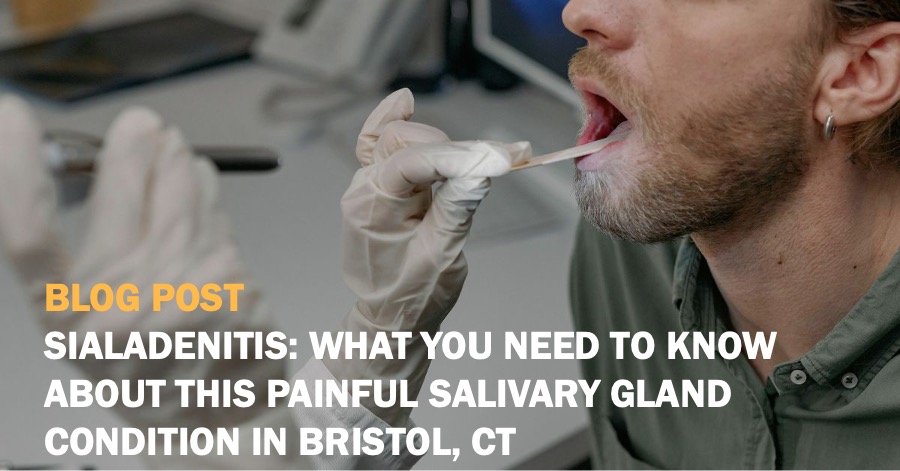 https://naugatuckvalleyent.com/wp-content/uploads/2025/04/NVENTA-Blog-Sialadenitis-What-You-Need-to-Know-About-This-Painful-Salivary-Gland-Condition-in-Bristol-CT-No-Logo.jpg
471
900
Naugatuck Valley Ear, Nose & Throat Associates
https://naugatuckvalleyent.com/wp-content/uploads/2022/03/NVENTA-Logo-Tall.jpg
Naugatuck Valley Ear, Nose & Throat Associates2025-04-11 15:08:312025-11-17 19:05:15Sialadenitis: What You Need to Know About This Painful Salivary Gland Condition in Bristol, CT
https://naugatuckvalleyent.com/wp-content/uploads/2025/04/NVENTA-Blog-Sialadenitis-What-You-Need-to-Know-About-This-Painful-Salivary-Gland-Condition-in-Bristol-CT-No-Logo.jpg
471
900
Naugatuck Valley Ear, Nose & Throat Associates
https://naugatuckvalleyent.com/wp-content/uploads/2022/03/NVENTA-Logo-Tall.jpg
Naugatuck Valley Ear, Nose & Throat Associates2025-04-11 15:08:312025-11-17 19:05:15Sialadenitis: What You Need to Know About This Painful Salivary Gland Condition in Bristol, CT https://naugatuckvalleyent.com/wp-content/uploads/2025/03/Listen-to-Your-Ears-Nose-Throat-Blog-Post-Rectangle.jpg
321
612
Naugatuck Valley Ear, Nose & Throat Associates
https://naugatuckvalleyent.com/wp-content/uploads/2022/03/NVENTA-Logo-Tall.jpg
Naugatuck Valley Ear, Nose & Throat Associates2025-03-31 14:50:112025-11-17 19:51:58Listen to Your Ears, Nose and Throat | 10 Signs You Should See an ENT in Waterbury, CT
https://naugatuckvalleyent.com/wp-content/uploads/2025/03/Listen-to-Your-Ears-Nose-Throat-Blog-Post-Rectangle.jpg
321
612
Naugatuck Valley Ear, Nose & Throat Associates
https://naugatuckvalleyent.com/wp-content/uploads/2022/03/NVENTA-Logo-Tall.jpg
Naugatuck Valley Ear, Nose & Throat Associates2025-03-31 14:50:112025-11-17 19:51:58Listen to Your Ears, Nose and Throat | 10 Signs You Should See an ENT in Waterbury, CT https://naugatuckvalleyent.com/wp-content/uploads/2025/03/Nasal-Drip-Drip-Drip-Hooray-No-Logo.jpg
471
900
Naugatuck Valley Ear, Nose & Throat Associates
https://naugatuckvalleyent.com/wp-content/uploads/2022/03/NVENTA-Logo-Tall.jpg
Naugatuck Valley Ear, Nose & Throat Associates2025-03-20 00:48:372025-11-17 19:45:41Drip, Drip, Hooray? Not Quite. What to Know About Post-Nasal Drip in Beacon Falls, CT
https://naugatuckvalleyent.com/wp-content/uploads/2025/03/Nasal-Drip-Drip-Drip-Hooray-No-Logo.jpg
471
900
Naugatuck Valley Ear, Nose & Throat Associates
https://naugatuckvalleyent.com/wp-content/uploads/2022/03/NVENTA-Logo-Tall.jpg
Naugatuck Valley Ear, Nose & Throat Associates2025-03-20 00:48:372025-11-17 19:45:41Drip, Drip, Hooray? Not Quite. What to Know About Post-Nasal Drip in Beacon Falls, CT https://naugatuckvalleyent.com/wp-content/uploads/2025/11/How-to-Protect-Your-Voice-Blog-Post-Rectangle.jpg
321
612
Naugatuck Valley Ear, Nose & Throat Associates
https://naugatuckvalleyent.com/wp-content/uploads/2022/03/NVENTA-Logo-Tall.jpg
Naugatuck Valley Ear, Nose & Throat Associates2025-02-04 16:59:372025-11-17 18:02:45How to Protect Your Voice During Cold and Flu Season in Wolcott, CT
https://naugatuckvalleyent.com/wp-content/uploads/2025/11/How-to-Protect-Your-Voice-Blog-Post-Rectangle.jpg
321
612
Naugatuck Valley Ear, Nose & Throat Associates
https://naugatuckvalleyent.com/wp-content/uploads/2022/03/NVENTA-Logo-Tall.jpg
Naugatuck Valley Ear, Nose & Throat Associates2025-02-04 16:59:372025-11-17 18:02:45How to Protect Your Voice During Cold and Flu Season in Wolcott, CT https://naugatuckvalleyent.com/wp-content/uploads/2025/11/Understanding-GERD-Blog-Post-Rectangle.jpg
321
612
Naugatuck Valley Ear, Nose & Throat Associates
https://naugatuckvalleyent.com/wp-content/uploads/2022/03/NVENTA-Logo-Tall.jpg
Naugatuck Valley Ear, Nose & Throat Associates2025-01-22 18:59:282025-11-17 19:19:35Understanding GERD and LPR: Key Differences, Symptoms, and Solutions for Lasting Relief in Wolcott, CT
https://naugatuckvalleyent.com/wp-content/uploads/2025/11/Understanding-GERD-Blog-Post-Rectangle.jpg
321
612
Naugatuck Valley Ear, Nose & Throat Associates
https://naugatuckvalleyent.com/wp-content/uploads/2022/03/NVENTA-Logo-Tall.jpg
Naugatuck Valley Ear, Nose & Throat Associates2025-01-22 18:59:282025-11-17 19:19:35Understanding GERD and LPR: Key Differences, Symptoms, and Solutions for Lasting Relief in Wolcott, CT https://naugatuckvalleyent.com/wp-content/uploads/2025/11/Understanding-Dysgeusia-Taste-Blog-Post-Rectangle.jpg
321
612
Naugatuck Valley Ear, Nose & Throat Associates
https://naugatuckvalleyent.com/wp-content/uploads/2022/03/NVENTA-Logo-Tall.jpg
Naugatuck Valley Ear, Nose & Throat Associates2024-09-26 20:04:132025-11-17 19:18:49Understanding Dysgeusia | When Taste Goes Awry in Seymour, CT
https://naugatuckvalleyent.com/wp-content/uploads/2025/11/Understanding-Dysgeusia-Taste-Blog-Post-Rectangle.jpg
321
612
Naugatuck Valley Ear, Nose & Throat Associates
https://naugatuckvalleyent.com/wp-content/uploads/2022/03/NVENTA-Logo-Tall.jpg
Naugatuck Valley Ear, Nose & Throat Associates2024-09-26 20:04:132025-11-17 19:18:49Understanding Dysgeusia | When Taste Goes Awry in Seymour, CT
If you’re experiencing a speech or swallowing-related condition, don’t let it hinder your health and well-being any longer. At Naugatuck Valley ENT, we have the expertise and resources to diagnose, treat, and manage your conditions effectively. Our dedicated team of professionals is ready to provide exceptional care. Contact us today at (203) 578-4630 to schedule a consultation.